
Breathable Protection for Porous Surfaces
Stucco & Masonry Coating Systems in Pittsburgh for exteriors suffering from water intrusion and freeze-thaw damage
Stucco, concrete block, and masonry surfaces absorb moisture during Pittsburgh's humid conditions, and when temperatures drop below freezing, that trapped water expands and causes cracking, spalling, and surface deterioration that accelerates with each seasonal cycle. Breathable coating systems prevent water infiltration while allowing interior moisture to escape through the wall assembly, maintaining structural integrity without trapping condensation that leads to mold growth and substrate failure. Rhino Shield of Pittsburgh applies flexible coatings engineered specifically for porous materials, addressing the moisture management requirements that distinguish masonry protection from standard paint application.
The installation process includes detailed crack repair using elastomeric fillers that move with substrate expansion, surface preparation that removes efflorescence and loose material, and primer application that penetrates deeply into porous substrates to create proper adhesion. The coating itself remains flexible after curing, which allows it to accommodate the seasonal movement inherent in masonry construction without developing the hairline cracks where water intrusion begins.
Schedule a masonry inspection to identify current damage patterns and evaluate substrate conditions before coating.
What Changes After Proper Coating Completes
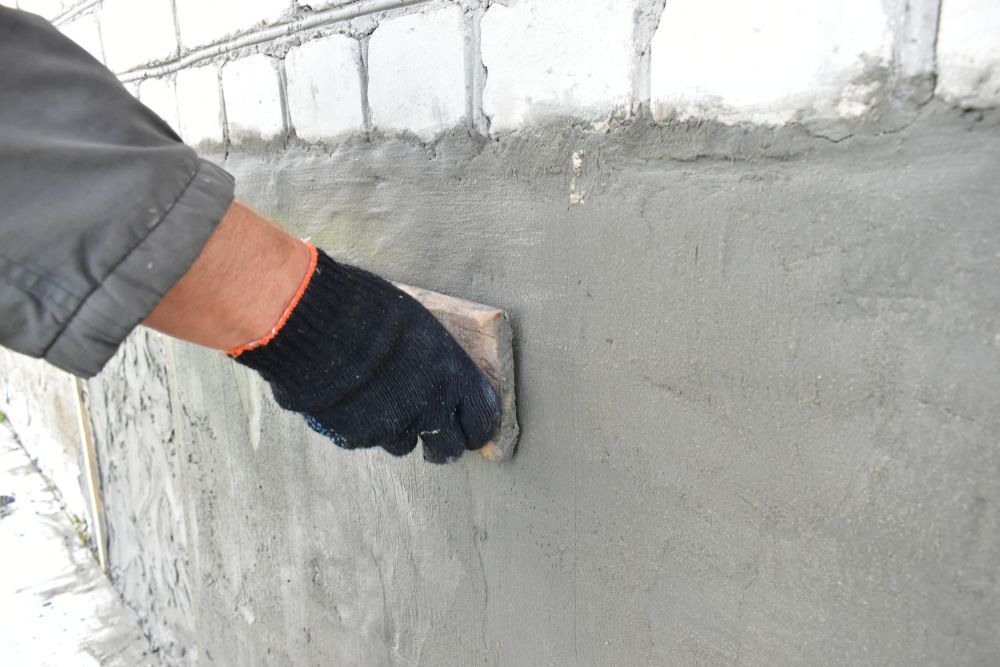
Preparation begins with cleaning to remove dirt, biological growth, and white crystalline deposits that indicate moisture movement through the substrate. Cracks wider than hairline dimensions are filled with flexible compounds that bond to masonry without restricting natural movement, and surface irregularities are smoothed to create uniform coating thickness. Breathable primers seal the porous surface while maintaining vapor permeability, and the coating is applied in layers that build thickness without creating an impermeable barrier that traps moisture.
Once complete, property owners notice that staining from water runoff no longer appears below windows and roof lines, mildew growth stops in areas where moisture previously accumulated, and existing cracks remain stable rather than widening with each freeze-thaw cycle. The coating prevents new water intrusion that would saturate the substrate and cause progressive damage, while its flexibility accommodates the thermal expansion and contraction that occurs between summer heat and winter cold without surface failure.
The system's breathability distinguishes it from standard exterior paint, which traps moisture inside masonry walls and leads to blistering, peeling, and accelerated substrate deterioration. This matters particularly for older homes and buildings where interior humidity migrates through walls without vapor barriers, and for structures where poor drainage or grading directs water toward foundation walls.
What Property Owners Usually Ask
Homeowners and building managers with masonry exteriors often have specific concerns about moisture management, repair standards, and long-term performance under regional weather conditions.
Why do masonry surfaces require breathable coatings?
Porous substrates like stucco and concrete block naturally absorb and release moisture, and non-breathable coatings trap that moisture inside the wall assembly, causing substrate deterioration, coating failure, and potential mold growth in wall cavities.
How are cracks repaired before coating application?
Cracks are routed to remove loose material, cleaned thoroughly, and filled with elastomeric repair compounds that remain flexible after curing, allowing them to move with the substrate during temperature changes without re-opening.
What causes efflorescence on masonry surfaces in Pittsburgh?
White crystalline deposits appear when water dissolves mineral salts inside masonry and carries them to the surface as it evaporates, indicating active moisture movement that must be addressed through proper drainage correction and breathable coating application.
When do freeze-thaw cycles cause the most damage?
Damage occurs when temperatures fluctuate around freezing repeatedly throughout winter and early spring, causing absorbed water to freeze, expand, thaw, and refreeze in daily cycles that progressively crack and spall masonry surfaces.
How does coating flexibility prevent future cracking?
Flexible coatings stretch and compress with substrate movement caused by temperature changes, maintaining continuous surface coverage without developing the micro-cracks that allow water infiltration and begin the deterioration cycle.
Rhino Shield of Pittsburgh evaluates masonry condition, identifies moisture sources that require correction before coating, and explains preparation standards specific to your substrate type. Arrange a substrate evaluation to review damage patterns and discuss moisture management strategies for your property.