Coatings Built to Outlast Traditional Paint
Exterior Painting Alternatives in Pittsburgh for property owners seeking longer-lasting protection and reduced maintenance cycles
Ceramic coatings are applied at thicknesses eight to ten times greater than standard exterior paint, creating a durable shell that resists cracking, fading, peeling, mildew, and moisture-related failures common in Pennsylvania's harsh weather. While conventional paint requires reapplication every five to seven years due to UV degradation and moisture intrusion, ceramic coating systems are engineered to maintain appearance and protective function for decades without repainting. Rhino Shield of Pittsburgh positions this technology as a long-term alternative that delivers stronger return on investment through reduced labor costs, fewer disruptions, and extended warranty coverage.
The performance difference comes from material composition and application method. Paint relies on thin films that become brittle and crack as they age, allowing water to penetrate and lift the coating from the substrate. Ceramic coatings use elastomeric polymers that remain flexible through temperature swings and form a waterproof barrier that prevents the moisture intrusion cycles responsible for wood rot, metal corrosion, and substrate deterioration. The combination of thorough preparation, advanced material chemistry, and greater thickness produces a finish that weathers differently than paint.
Arrange an exterior consultation to compare coating thickness, warranty terms, and projected maintenance costs against traditional painting schedules for your property.
Why Coating Longevity Exceeds Paint Performance
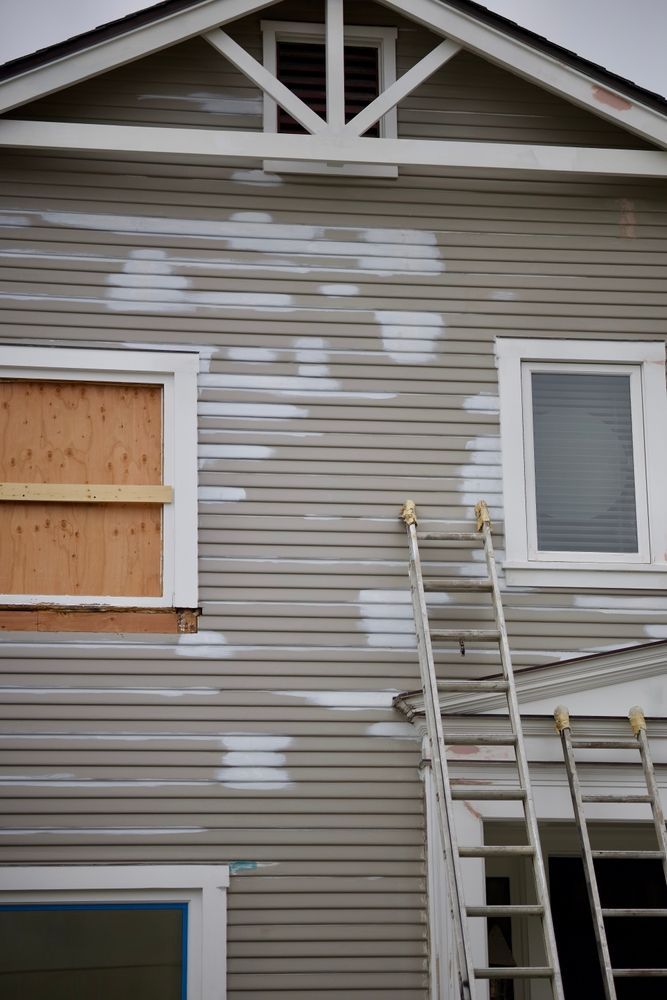
Paint fails when UV radiation breaks down the binder resins that hold pigment to the substrate, causing chalking, fading, and eventual film disintegration. Moisture accelerates this process by penetrating microcracks and lifting the paint film from below. Ceramic coatings use UV-stable resins and pigments that resist photodegradation, and the thickness of the coating provides a reservoir of material that weathers gradually rather than failing suddenly.
After coating application, your exterior will maintain color uniformity and gloss retention for years without the chalking, streaking, or color shift visible on painted surfaces after just a few seasons. You will not see peeling at trim edges, bubbling over moisture-prone areas, or mildew staining on north-facing walls. The surface remains intact through freeze-thaw cycles that cause paint to crack and separate, and it does not require power washing and repainting on a recurring schedule.
The higher upfront cost of ceramic coating is offset by eliminating the repeated labor, material, and preparation expenses required to maintain painted exteriors. For properties with large surface areas, difficult access, or premium finishes, the long-term savings and reduced maintenance burden make coatings a more cost-effective choice than repainting every five to seven years.
What Property Owners Usually Ask
Comparisons between ceramic coatings and traditional paint raise questions about cost, application, warranty coverage, and real-world durability in the region's climate.
How thick is ceramic coating compared to paint?
Ceramic coatings are applied at approximately eight to ten times the thickness of standard exterior paint, typically measuring 8 to 10 mils dry film thickness versus 1 to 2 mils for paint. This thickness provides greater impact resistance, UV protection, and moisture barrier performance.
Why does paint fail faster in harsh Pennsylvania weather?
Pennsylvania's combination of high UV exposure in summer, freeze-thaw cycles in winter, and year-round humidity creates ideal conditions for paint degradation. UV radiation breaks down binders, moisture penetrates microcracks, and freeze-thaw cycles lift the paint film from the substrate.
What warranty coverage do ceramic coatings offer?
Warranty terms vary by product and application, but ceramic coatings typically include coverage for peeling, cracking, and adhesion failures that standard paint warranties exclude. Specific terms depend on substrate type, preparation quality, and environmental exposure.
Can ceramic coating be applied over existing paint?
Yes, provided the existing paint is still adhering properly and the surface is prepared to remove loose or failing sections. The coating bonds to sound paint layers after cleaning, but any compromised areas must be scraped and primed to prevent failure.
How do material costs compare between coating and painting?
Ceramic coatings cost more per gallon and require more material due to greater thickness, but the total cost of ownership over twenty years is often lower because repainting costs accumulate every five to seven years, including labor, surface prep, and disruption.
Rhino Shield of Pittsburgh provides side-by-side cost analysis showing projected maintenance expenses for paint versus ceramic coating over the lifespan of your exterior. Request an estimate to review material differences, application methods, and long-term investment returns based on your property's specific conditions.