Waterproof Systems That Extend Roof Lifespan
Roof Sealing & Reflective Coatings in Pittsburgh for structures experiencing leak concerns and premature deterioration
Roofs subjected to Pittsburgh's snow accumulation, freeze-thaw cycles, and high humidity deteriorate faster than their design lifespan suggests, with standing moisture and temperature fluctuations opening seams and degrading waterproofing layers. Rhino Shield of Pittsburgh applies reflective coating systems that seal roof surfaces while reducing heat absorption, addressing both leak prevention and energy efficiency in a single application. The technology works across multiple roof materials common on residential and commercial buildings, creating a seamless waterproof barrier that prevents the moisture infiltration responsible for interior damage and premature roof replacement.
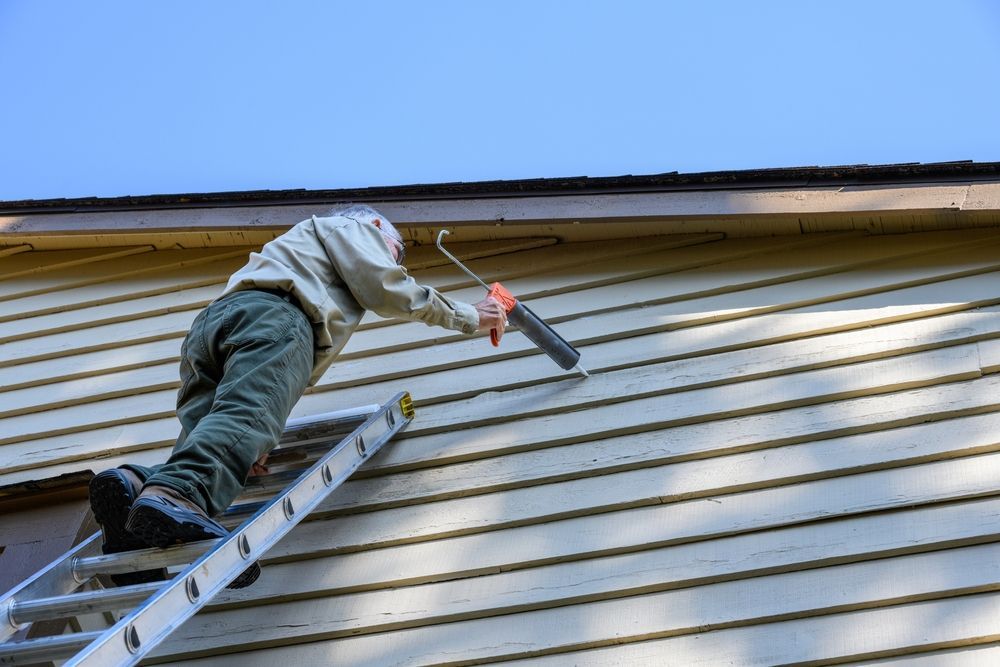
Roof coating application involves cleaning to remove debris and biological growth, repairing damaged areas where water has already compromised the substrate, and applying a reflective membrane that bonds to the existing roof surface. The result is a monolithic layer without seams or fastener penetrations where water typically finds entry points, and the reflective properties redirect solar energy rather than transferring heat into the building below.
Schedule a roof inspection to identify current leak risks and evaluate energy-efficiency improvements.
Why Reflective Systems Work for Pittsburgh Conditions
The coating process begins with power washing to remove accumulated dirt, algae, and loose material, followed by repairs to areas where ponding water has caused substrate softening or where flashings have separated from roof planes. The reflective coating is applied in multiple passes to build thickness over seams, transitions, and fastener heads, eliminating the weak points where traditional roofing systems fail. This approach extends roof lifespan by preventing the water intrusion that leads to decking rot, insulation saturation, and interior ceiling damage.
After application, property owners notice that standing water drains more efficiently because the smooth coating surface reduces friction, cooling costs decrease during summer months as less heat transfers through the roof assembly, and annual inspections reveal no new leak sources at seams or penetrations. The system's flexibility accommodates the expansion and contraction caused by temperature swings without cracking, maintaining waterproof integrity through seasonal cycles that cause rigid coatings to fail.
Reflective coatings provide measurable performance advantages in buildings where HVAC systems struggle to maintain comfort during peak heat periods. By reducing roof surface temperatures, the coating lowers the thermal load on cooling equipment, which translates to reduced energy consumption and extended equipment lifespan. This matters for commercial buildings where energy costs represent significant operating expenses and for residential properties where attic temperatures affect living space comfort.
Common Questions About This Service
Building owners considering roof coating systems often ask about material compatibility, installation timing, and performance expectations under local weather conditions.
What roof materials are compatible with reflective coatings?
The system adheres to metal, modified bitumen, EPDM rubber, TPO, built-up roofing, and properly prepared shingle surfaces, making it suitable for most commercial and residential roof types when substrate conditions allow proper bonding.
How do reflective coatings reduce cooling costs?
Light-colored coatings reflect up to 85 percent of solar radiation rather than absorbing it as heat, which lowers roof surface temperatures by 50 to 80 degrees and reduces the heat transferred into conditioned spaces below.
When should property owners consider roof coating instead of replacement?
If the roof structure and decking remain sound but the waterproofing layer shows signs of aging such as minor leaks, seam separation, or surface weathering, coating provides a cost-effective alternative that extends service life by ten to fifteen years.
How does coating application affect existing warranties?
Most roof coatings can be applied over existing systems without voiding manufacturer warranties, provided the substrate meets minimum condition standards and the coating manufacturer approves the application method used.
What preparation is required for Pittsburgh roofs with moss or algae growth?
Biological growth is removed using appropriate cleaning solutions and pressure washing, followed by treatment with antimicrobial agents that prevent regrowth, ensuring the coating adheres to clean substrate and maintains appearance over time.
Rhino Shield of Pittsburgh inspects roof conditions, identifies areas requiring repair before coating, and explains how reflective systems address both leak prevention and energy performance based on your building's specific exposure and usage. Request an energy-efficiency evaluation to compare coating benefits against current roof maintenance and utility costs.